








VELVET 2024
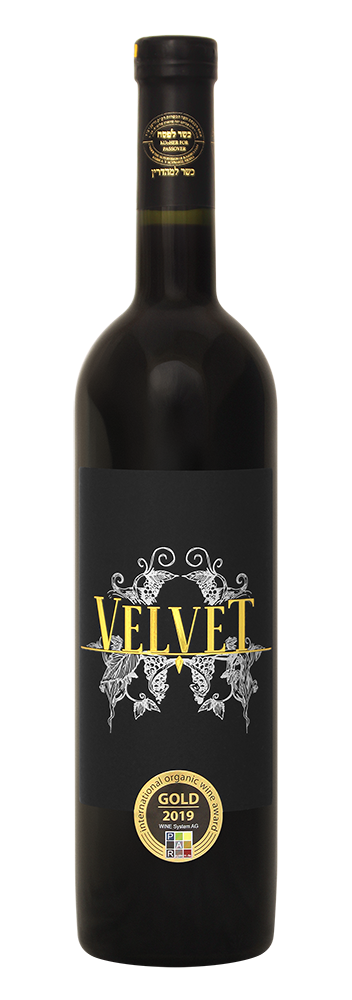
We call this wine "VELVET" – because it is so velvety on the palate, provides the necessary drinking pleasure, and was immediately the most favorite wine of many customers: especially those patrons who rarely consume wine.
The taste profile “medium” paired with “a lot of wine”, is a fruity slightly sweet specialty which was able to find many fans!
A very fruity wine made from late-harvest grapes of the varieties Cabernet Franc, Merlot, and Cabernet Sauvignon. Because of its perfectly balanced residual sugar (29 g/l), it is well balanced, full structured and nicely drinkable - yet not "too" sweet!
A perfect dining companion to any meat dish with sauces, and even pasta! For sure you should try this wine as an alternative, especially if you haven't been a great fan of red wines in the past
Histamine: "not detectable" <0.1 mg/l, according to the Federal Office for Viticulture, A-7000 Eisenstadt
(Histamine appears to be primarily responsible for headaches and skin reddening after wine consumption for people with an intolerance. A level below the detection limit should therefore allow the consumption for those people.)
We call this wine "VELVET" – because it is so velvety on the palate, provides the necessary drinking pleasure, and was immediately the most favorite wine of many customers: especially those patrons who rarely consume wine.
The taste profile “medium” paired with “a lot of wine”, is a fruity slightly sweet specialty which was able to find many fans!
A very fruity wine made from late-harvest grapes of the varieties Cabernet Franc, Merlot, and Cabernet Sauvignon. Because of its perfectly balanced residual sugar (29 g/l), it is well balanced, full structured and nicely drinkable - yet not "too" sweet!
A perfect dining companion to any meat dish with sauces, and even pasta! For sure you should try this wine as an alternative, especially if you haven't been a great fan of red wines in the past
Histamine: "not detectable" <0.1 mg/l, according to the Federal Office for Viticulture, A-7000 Eisenstadt
(Histamine appears to be primarily responsible for headaches and skin reddening after wine consumption for people with an intolerance. A level below the detection limit should therefore allow the consumption for those people.)